Marketing and communication
Creating images with AI: possibilities and pitfalls
You can create a visual for a post or presentation in minutes with AI. What works well, and where it goes wrong legally and in content.
6 min read
With AI image tools you can create an illustration for a post, presentation or newsletter in a few minutes. It's handy, but there are clear limits.
Where it works well
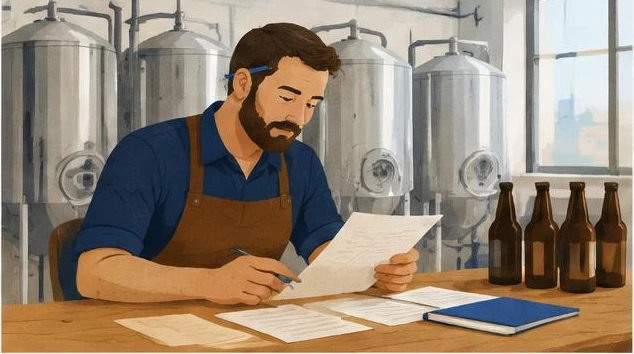
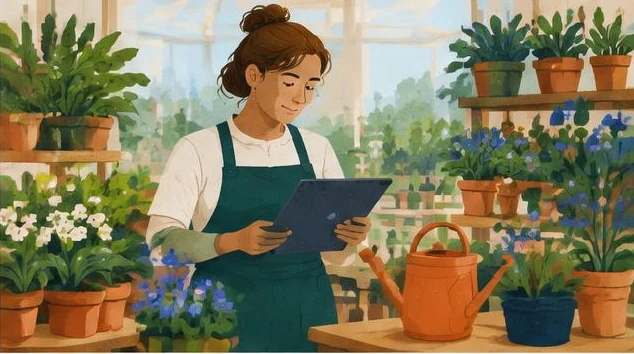
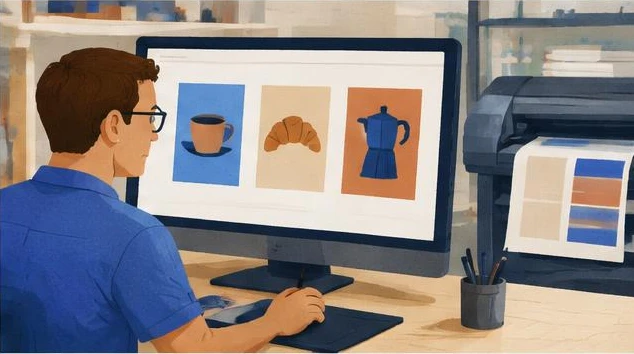
- Illustrations and mood images for a blog, post or presentation.
- Variations on an idea to choose a direction.
- Backgrounds and simple visuals with no real person or real product.
- A consistent style: if you describe your style well (colours, type of illustration), your visuals become recognisable.
Where it goes wrong
- Text in images is often unreadable or misspelt. Add text yourself afterwards.
- Hands, faces and details sometimes look odd. Check every image carefully.
- Your own products: an AI image of "your" product isn't a photo of your product. Use real photos for products.
Rights and honesty
- No brands, logos or well-known characters belonging to others. Even if the tool allows it, you could get into trouble.
- No recognisable real people without their consent.
- No misleading: don't present a realistic AI image of a team, workshop or customer that doesn't exist as real. Make it clear when a realistic image was created with AI.
- The tool's terms: check that your plan allows commercial use of the images.
A good image prompt
Describe: subject, style (photo, flat illustration, watercolour), colours, composition, mood and what must not appear. For example: "flat illustration of a baker filling the shop window in the morning, warm colours in blue and sand, no text, no logos".
Test yourself
You want a visual for a post about your new workshop. What's best?
Prompt to copy
Write a prompt for an AI image tool. Subject: [x]. Style: [flat illustration / photo / other]. Colours: [x]. Composition: [x]. Mood: [x]. Must not include: text, logos, brand names, recognisable real people. Write the prompt as one paragraph and give two variations.